what to do if someone is chasing you
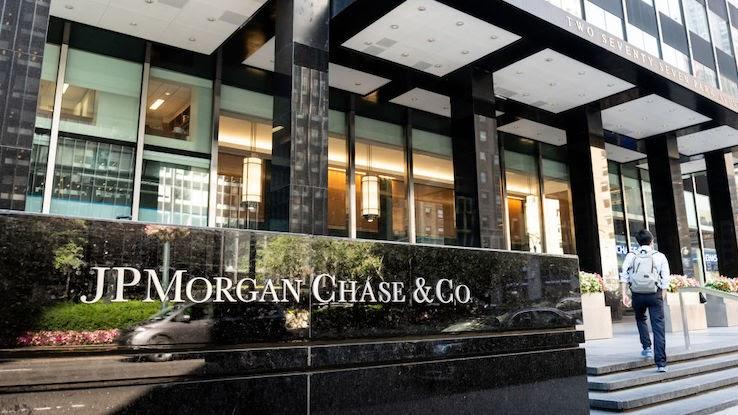
In 2008, excessive risk-taking on the role of numerous large banks combined with a housing bubble that U.Due south. banking groups treated as though it'd never terminate expanding. This created a recipe for financial disaster: That housing bubble burst, plunging the world into a consummate fiscal crisis. The U.S. authorities began bailing out banks to salve an economy that was speedily sliding into a massive recession.
JPMorgan Chase was ane bank that received a bailout in 2008 following sales of risky mortgage-backed securities prior to the fiscal crisis. However, it was just one of many banks to take part in these practices, and the treasury department saved additional banks with a $700 billion bailout following the financial crash. Learn more than about why JPMorgan Chase and other institutions received enough fiscal assistance to preclude them from total collapse.
What Led to the Bailout?
To empathise why banks were bailed out in the beginning identify, information technology'due south also important to understand the historical context and economic climate of the world when the bailouts took identify. Starting in the belatedly 1990s, banks began extending expensive mortgages to people who didn't have good credit profiles — mortgages that the buyers couldn't really beget. This inflated housing prices around the state, causing an economic bubble in which inflation happened at a very fast rate in a short period of time. Housing prices connected to increase each twelvemonth into the 2000s. To answer to what appeared to be increased demand for housing, developers and construction companies began edifice many more new homes around the land.
While this housing bubble was forming, banks began investing in these subprime mortgage loans — the risky loans that were extended to people with poor credit ratings. Smaller banks began selling people'south mortgages and the rights to future involvement payments to larger banks in bundles that contained the loans for many homes. The larger investment banks began investing portions of this bundled coin in risky ways under the assumption that people would continue paying their mortgages and the payments would keep rolling in, which theoretically lowered the gamble of the investments.
This scheme came crashing down when the Federal Reserve elected to raise interest rates nationally. Suddenly, many people could no longer afford their mortgage payments, and many elected to go into foreclosure and let the banks take their homes back. The banks began trying to sell these homes, simply, because of all the contempo new construction that had flooded the market with houses, supply far outpaced demand. This collection downward the prices of backdrop even further. With people's mortgage payments no longer coming in, the large banks that had been gambling with investments institute themselves without any money to operate — and it was largely due to their ain misconduct.
The U.S. Authorities Provides Relief — but Not Much
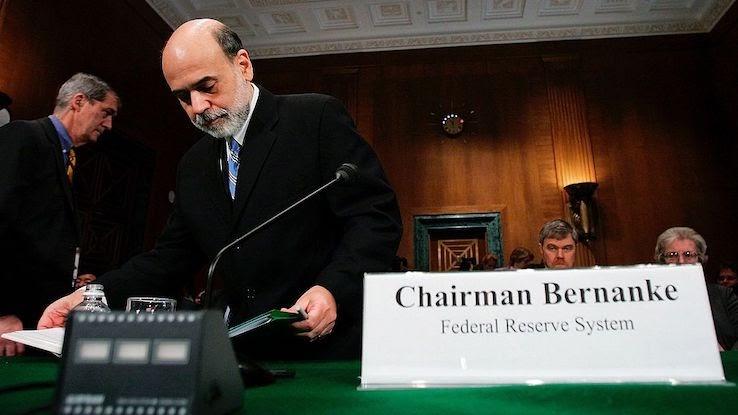
In October of 2008, Congress passed the Emergency Economic Stabilization Act of 2008 and George Bush signed it into constabulary. The goal of this legislation was to buy upwardly many of the massive debts the investment banks had incurred during the outset of the crisis and to invest money into large banks to ensure their continued operation.
The reason for this? These banks had simply grown too large, and allowing any sort of failure or closure to happen would've had disastrous consequences. Many of the banks would have gone bankrupt, resulting in a cascade upshot of related businesses going bankrupt until it reached small, local businesses — many of which were already suffering due to the new recession. Millions of people would've lost their health insurance during a fourth dimension in history when getting coverage was already near-impossible for some. The potential bankruptcies would've resulted in unemployment levels far worse than those the state was already enduring at the fourth dimension. The collapse of such large financial institutions would have spun the world into a global depression. Thus, the banks were bailed out in order to prevent these fiscal and economical catastrophes from taking identify.
In 2008, JPMorgan Chase received a $25 billion bailout from the Federal Reserve. That same year, a wholly owned JPMorgan Chase subsidiary merged with Bear Sterns, and JPMorgan as well acquired Washington Mutual. JPMorgan Hunt was one of the original nine banks in the U.S. to receive money from the Treasury's Majuscule Purchase Plan. JPMorgan repaid its funds in full in June 2009.
JPMorgan Chase Faces a $thirteen Billion Settlement for Its Part in the Crisis
JPMorgan Chase did face some consequences following the recession and bailout due to its alleged role in causing the almost-collapse of the banking system. In tardily 2013, JPMorgan agreed to pay a $13 billion settlement for selling mortgage-backed securities before the financial crisis. JPMorgan, along with the Acquit Stearns and Washington Mutual firms it purchased that twelvemonth, had sold risky mortgage securities in the midst of the housing bubble and made pregnant misrepresentations to the public nearly these investments. The securities somewhen failed in large numbers, and JPMorgan'southward actions were deemed to have had a significant role in worsening the 2008 fiscal crisis.
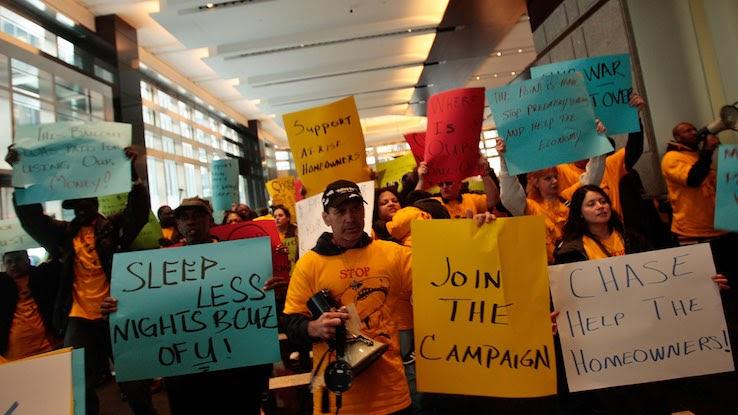
As role of the settlement, JPMorgan Chase was required to provide relief to struggling homeowners and potential buyers. The $13 billion settlement included a $1.5 billion repayment in consumer aid to lower loan payments for underwater borrowers, along with repayments of varying amounts to affected states that included California, New York, Massachusetts, Delaware and Illinois.
Source: https://www.askmoney.com/investing/jpmorgan-chase-bailout?utm_content=params%3Ao%3D1465803%26ad%3DdirN%26qo%3DserpIndex
0 Response to "what to do if someone is chasing you"
Post a Comment